

 Coming soon
Soybeans & Fermentation
The Bean Behind the Jang
From field soybeans to meju, doenjang, and ganjang: the crop system inside Korea's foundational seasonings.
Credit: hwayoungjung, CC BY-SA 2.0, via Wikimedia Commons
Magazine
Original, visual features on Korean agriculture — regions, seasons, markets, and the people behind the harvest.
 Featured
Warm springs that wake trees too early, summers too hot for red fruit, and thousands of planting decisions are redrawing Korea's fruit map, but not in a straight line.

Korea grew hops once, then imported nearly all of them. Now a handful of farms are planting again while imports fall by half. What would make a Korean hop something brewers buy twice?

One plant moves through two markets and a dangerous summer: fresh green pepper, ripe red fruit, dried pods, powder, and the long work of protecting color and flavor.

A café menu is set in won, but a green-bean decision crosses currencies, contracts, quality, freight and time. The useful dashboard is not a prediction engine—it is a way to see which question belongs to which signal.

Sensors can describe a field and algorithms can recommend a move. The difficult work is turning that signal into a timely, repairable, accountable farm decision.

The premium on a Hanwoo cut is built long before a grade appears on the label. Genetics, calf prices, imported feed, months on farm, carcass yield and marbling all meet at one auction rail.

A head of napa cabbage carries a mountain summer, an autumn forecast, a brining decision and a microbial succession into the refrigerator. Kimjang is where those systems meet.

Every bowl begins in a flooded field, but Korea's rice year is now shaped as much by acreage targets, labor, and public stocks as it is by rain and harvest.

On Korea's southern edge, a greenhouse is less a shelter than a calendar: a place where heat, labour, water and timing are worked into a crop before the weather gets the final word.

Two garlics — a cold-hardy northern type and a mild-wintered southern one — split the peninsula between them, and the season that carries an autumn clove to a June bulb sets the price on the shelf.
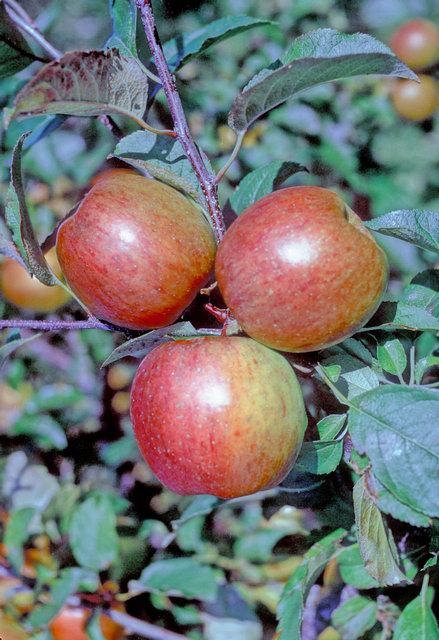
A fruit that arrived by mission ship became the pride of Daegu, the backbone of Gyeongbuk's orchards, and — as the winters warm — a crop on the move north.
The next original features in our reporting queue.
Coming soonFrom field soybeans to meju, doenjang, and ganjang: the crop system inside Korea's foundational seasonings.
Credit: hwayoungjung, CC BY-SA 2.0, via Wikimedia Commons
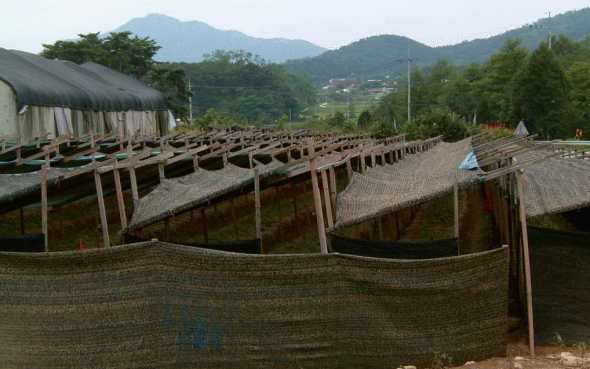 Coming soon
A ginseng bed ties up land for years and cannot simply be replanted: the shade, soil, disease, and succession behind Korea's most famous root.
Credit: Etienne André, CC BY-SA 3.0, via Wikimedia Commons
 Coming soon
Boseong and Hadong's tea gardens, the short spring picking window, and what Korean growers need to reach buyers beyond the domestic cup.
Credit: Joycekim77, CC BY-SA 3.0, via Wikimedia Commons
 Coming soon
Grain, summer heat, casks, and the years of maturing stock a young distillery has to finance before it can sell a bottle.
Credit: Jjw, CC BY-SA 4.0, via Wikimedia Commons